
BLOG
1221 Avenue of the Americas, 10020 A Complete Guide to the Iconic Midtown Manhattan Skyscraper


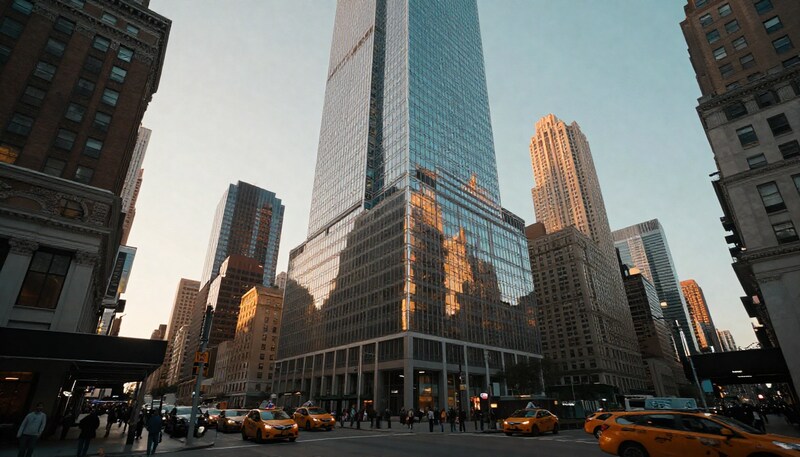
Rising 51 floors above Sixth Avenue in the heart of Midtown Manhattan, 1221 Avenue of the Americas stands as one of New York City’s most distinguished commercial addresses. Formerly known as the McGraw-Hill Building, this International Style skyscraper has anchored the skyline since its completion in 1969, serving as a landmark of architectural ambition and corporate prestige.
As part of the celebrated Rockefeller Center complex’s westward expansion, 1221 Avenue of the Americas forms one corner of the trio colloquially known as the “XYZ Buildings” alongside 1251 and 1211 Avenue of the Americas. Today, under the ownership of the Rockefeller Group and Mitsubishi Estate, the building continues to attract the world’s leading professional services firms, law firms, and media companies.
Key Facts at a Glance
| Attribute | Detail |
| Address | 1221 Avenue of the Americas, New York, NY 10020 |
| Former Name | McGraw-Hill Building |
| Height (Roof) | 674 feet (205 meters) |
| Floors | 51 stories |
| Gross Floor Area | 2.2 million square feet |
| Elevators | 36 |
| Construction Started | 1966 |
| Completed / Opened | 1969 / 1972 |
| Architect | Wallace Harrison (Harrison & Abramovitz) |
| Ownership | Rockefeller Group / Mitsubishi Estate |
| LEED Certification | 2009 (Green Building) |
Prime Midtown Location & Accessibility
Situated on Sixth Avenue between 47th and 48th Streets, 1221 Avenue of the Americas occupies one of the most strategically accessible addresses in New York City. Whether commuting by subway, bus, or on foot, tenants and visitors benefit from an unrivalled web of transportation options.
- Subway: B, D, F, and M lines stop directly at 47–50 Streets–Rockefeller Center station, located just steps from the building’s entrance.
- Grand Central Terminal: A short walk east provides access to Metro-North, the 4/5/6, 7, and S lines.
- Bus: Multiple MTA crosstown and express bus routes serve Sixth Avenue and the surrounding midtown grid.
- Ferry: The East River Ferry terminals at East 34th and East 44th Streets offer water transport options.
- Proximity: Rockefeller Center, Radio City Music Hall, and Bryant Park are all within a 5-minute walk.
Architectural Significance & Design by Wallace Harrison
Designed by the legendary architect Wallace K. Harrison of the firm Harrison & Abramovitz the same practice responsible for the United Nations Headquarters and Rockefeller Center itself 1221 Avenue of the Americas is a defining example of postwar International Style architecture applied at a monumental urban scale.
The building’s design philosophy prizes clarity, proportion, and material honesty. Its soaring cuboid massing asserts a powerful verticality, while its meticulous detailing at street level creates an inviting civic presence that softens the building’s sheer size.
The International Style & Red Granite Facade
The most immediately striking feature of 1221 Avenue of the Americas is its distinctive facade: bold piers of deep red granite alternate with recessed bands of glass, drawing the eye upward and reinforcing the building’s sense of height. This interplay of warm stone and reflective glass exemplifies the International Style’s capacity for elegance through restraint.
- Red granite piers: Sourced for their rich, warm tone, the vertical piers give the building its signature colour identity within the midtown streetscape.
- Glass stripes: Floor-to-ceiling glazing between piers maximises natural light on every floor plate.
- Seven-story base: A pronounced base element, clad in matching materials, grounds the tower and creates a human-scale transition to the street.
- Lobby finishes: The interior lobby features dark red terrazzo flooring and red marble wall panels, maintaining material continuity from exterior to interior. Inscribed aphorisms by Plato and President John F. Kennedy add a layer of intellectual and civic character.
The $50 Million Plaza Renovation
In 2023, the building’s ownership completed a landmark $50 million renovation of the ground-level public plaza and sunken courtyard one of the most significant upgrades to a midtown public space in recent years. The project reimagined the sunken plaza as an activated, all-season destination for tenants and the public alike.
- Improved retail: New food and beverage offerings were introduced at plaza level, creating a curated retail mix to serve the building’s thousands of daily occupants.
- Landscaping and seating: Enhanced greenery, lighting, and seating zones make the plaza a genuine amenity rather than a transitional space.
- The Sun Triangle (Athelstan Spilhaus): The plaza is home to a celebrated solar sculpture by scientist and artist Athelstan Spilhaus. Designed with precise astronomical intent, the Sun Triangle casts specific shadows aligned to the summer and winter solstices as well as the spring and autumn equinoxes a rare piece of functional public art embedded within a commercial environment.
- Accessibility: The renovation addressed ADA compliance and improved pedestrian circulation throughout the courtyard.
Inside 1221: Office Spaces, Tenants & Amenities
Beyond its iconic exterior, 1221 Avenue of the Americas delivers one of Midtown’s most sought-after office environments. Extensive floor plates, efficient column spacing, and a comprehensive suite of building amenities make it a preferred address for major global enterprises.
Flexible & Expansive Floor Plans
With 2.2 million square feet of gross floor area distributed across 51 stories, the building offers significant flexibility for tenants of all sizes. The generous floor plates among the largest available in the Sixth Avenue corridor allow for open-plan configurations, divisible suites, and fully customised fit-outs to meet the exacting standards of today’s professional occupiers.
- Column spacing is designed to maximise usable area and accommodate a wide range of furniture and partition layouts.
- Efficient building core placement reduces dead corridor space, increasing the ratio of usable to gross square footage.
- Full-floor and multi-floor leases are available, making the building suitable for both boutique professional practices and global headquarters operations.
Notable Tenants & Industry Presence
The tenant roster at 1221 Avenue of the Americas reads as a Who’s Who of global professional services, finance, law, and media. The building’s prestige and location continue to attract firms for whom address is a genuine business asset.
| Tenant | Sector |
| Deloitte (New York Practice) | Professional Services / Audit & Consulting |
| Sirius XM / The Howard Stern Show | Media & Broadcasting |
| Mayer Brown | Global Law Firm |
| White & Case | Global Law Firm |
| McGraw Hill Financial (former HQ) | Financial Information & Analytics |
| BusinessWeek (former) | Business Media / Publishing |
Tenant Experience & Building Amenities
The ownership and management team at 1221 Avenue of the Americas have invested consistently in the tenant experience, ensuring that the building’s physical environment keeps pace with the evolving expectations of world-class occupiers.
- Broadcast-grade facilities: The building hosts the Sirius XM broadcast studios, including the flagship home of The Howard Stern Show a first-of-its-kind broadcast facility integrated into a premier commercial tower.
- Lobby experience: The soaring lobby, dressed in red marble and terrazzo, creates a distinctive arrival sequence reinforced by engraved philosophical and presidential quotations.
- Building management: On-site property management ensures responsive maintenance, security, and operational support for all tenants.
- Security: 24/7 security personnel, surveillance systems, and controlled access protocols ensure a safe working environment.
- Retail: Ground-floor and plaza-level retail offers dining, financial services, and convenience options for building occupants.
A Storied History: From Construction to Pop Culture
The XYZ Buildings of Rockefeller Center
The original Rockefeller Center completed between 1930 and 1940 comprised 14 buildings between Fifth and Sixth Avenues. In the 1960s, the Rockefeller Group undertook a major westward expansion across Sixth Avenue, commissioning three towers that would become known informally as the XYZ Buildings, named after their respective positions in a planned sequence.
| Building | Address | Height | Floors | Completed |
| 1221 Avenue of the Americas (“Z”) | 1221 Sixth Avenue | 674 ft | 51 | 1969 |
| 1251 Avenue of the Americas (“X”) | 1251 Sixth Avenue | 750 ft | 54 | 1971 |
| 1211 Avenue of the Americas (“Y”) | 1211 Sixth Avenue | 699 ft | 50 | 1973 |
Together, the three towers defined a new architectural and commercial corridor on Sixth Avenue, transforming what had been an elevated railway line (the Sixth Avenue El, demolished in 1939) into one of Manhattan’s premier office addresses. Their consistent material palette and coordinated massing established a rare sense of urban coherence rarely achieved in speculative office development.
Filming Locations & Media Appearances
Beyond its role as a corporate address, 1221 Avenue of the Americas has earned a notable place in popular culture, lending its distinctive facade and interiors to some of the most recognisable productions in film and television.
- The Devil Wears Prada (2006): The building’s lobby and exterior featured prominently as the fictional headquarters of Runway magazine, cementing its association with high-fashion corporate glamour.
- Suits (USA Network): The legal drama utilised the building’s exterior and lobby as part of its signature New York visual identity.
- Saturday Night Live (NBC): The building appears in the long-running title sequence of SNL, one of the most-viewed opening credits in television history.
- Tony Hawk’s Pro Skater 2 (2000): The sunken plaza at 1221 Avenue of the Americas served as the real-world inspiration for one of the video game’s most celebrated skateboarding levels, introducing the building to a global gaming audience.
Safety, Operations & Modernisation
Modern Safety & Security Systems
Like all Class A commercial buildings in Manhattan, 1221 Avenue of the Americas operates under comprehensive safety and security protocols that have evolved substantially over the building’s more than five decades of operation.
- Elevator systems: The building’s 36 elevators have undergone ongoing modernisation to meet current safety codes, with regular inspection and maintenance schedules mandated by New York City law.
- Fire safety: Advanced sprinkler systems, smoke detection, and regularly tested evacuation procedures ensure compliance with New York City’s rigorous fire safety ordinances.
- Security: Access-controlled entry points, CCTV surveillance coverage of common areas, and 24/7 staffed security desks provide multiple layers of protection for tenants and visitors.
- Building management: A dedicated on-site operations team manages day-to-day mechanical, electrical, and plumbing systems, with direct lines to emergency response services.
Note: In 1999, a widely-documented elevator entrapment incident in which a building occupant was trapped for 41 hours drew national media attention and later became the subject of a New Yorker magazine investigation and viral video. In the years since, building management has implemented extensive upgrades to elevator monitoring and emergency communication systems.
LEED Certification & Sustainability
In 2009, 1221 Avenue of the Americas achieved LEED (Leadership in Energy and Environmental Design) certification from the U.S. Green Building Council a significant milestone for a building of its era and scale.
- Energy efficiency: LEED certification reflects the building’s investment in reduced energy consumption through upgraded HVAC systems, lighting controls, and building envelope improvements.
- Tenant benefits: Occupying a LEED-certified building supports tenants’ own corporate sustainability reporting and ESG commitments.
- Ongoing investment: The 2023 plaza renovation incorporated sustainable landscape design principles, further reinforcing the building’s environmental credentials.
Exploring the Neighbourhood: Points of Interest
One of the most compelling aspects of a tenancy at 1221 Avenue of the Americas is the extraordinary density of world-class amenities, cultural institutions, and transit infrastructure within immediate walking distance.
| Destination | Approximate Distance | Category |
| Rockefeller Center (30 Rock) | 2-minute walk | Culture / Architecture |
| Radio City Music Hall | 3-minute walk | Entertainment |
| Top of the Rock Observation Deck | 3-minute walk | Tourism / Views |
| Bryant Park | 5-minute walk | Parks & Recreation |
| The Museum of Modern Art (MoMA) | 5-minute walk | Art & Culture |
| Grand Central Terminal | 10-minute walk | Transit Hub |
| Times Square | 5-minute walk | Entertainment |
| Central Park (south entrance) | 10-minute walk | Parks & Nature |
Frequently Asked Questions
Q: What is the exact address of 1221 Avenue of the Americas?
A: The full mailing address is 1221 Avenue of the Americas, New York, NY 10020. The building is located on Sixth Avenue between West 47th and West 48th Streets in Midtown Manhattan.
Q: How tall is 1221 Avenue of the Americas?
A: The building rises 674 feet (approximately 205 metres) to its roof, across 51 floors. It is one of the taller office towers on the Sixth Avenue corridor.
Q: What companies are headquartered at 1221 Avenue of the Americas?
A: Major tenants include Deloitte’s New York practice, Sirius XM (including The Howard Stern Show studios), and leading global law firms Mayer Brown and White & Case. McGraw Hill Financial was formerly headquartered here.
Q: What is the history of the ‘McGraw-Hill Building’?
A: Construction began in 1966, and the building was completed in 1969. It was originally developed and named for McGraw-Hill, the publishing and financial data company, which used the building as its headquarters for many years. It opened to full occupancy in 1972.
Q: What subway lines are near 1221 Avenue of the Americas?
A: The closest subway station is 47–50 Streets–Rockefeller Center (B, D, F, M trains on the Sixth Avenue Line), located directly adjacent to the building. Grand Central–42nd Street is also within a short walk.
Q: Is the public plaza at 1221 Avenue of the Americas open to visitors?
A: Yes. The sunken courtyard and surrounding plaza are publicly accessible and were extensively renovated in 2023 at a cost of $50 million. The plaza features retail, seating, and the Sun Triangle sculpture by Athelstan Spilhaus.
Q: What movies and TV shows were filmed at 1221 Avenue of the Americas?
A: Notable productions include The Devil Wears Prada (2006), Suits (USA Network), and the Saturday Night Live (NBC) title sequence. The building’s plaza also inspired a level in the video game Tony Hawk’s Pro Skater 2.
Q: Did the famous 1999 elevator incident happen in this building?
A: Yes. In 1999, a building employee was trapped in an elevator for approximately 41 hours. The incident was later documented in The New Yorker and became widely shared after surveillance footage was released online. Since then, the building has undertaken significant modernisation of its elevator monitoring and emergency communication systems.
Q: Who owns 1221 Avenue of the Americas?
A: The building is owned by the Rockefeller Group and Mitsubishi Estate. In 2016, a stake valued at approximately $1 billion was sold to the China Investment Corporation (CIC), implying an overall valuation of approximately $2.3 billion at the time.

EroThots (primarily at domains like erothots.co, erothots1.com, or erothots.is) is a free adult tube-style site specializing in leaked and aggregated content from OnlyFans, Fansly, Reddit, and similar subscription platforms. It hosts videos, images, gifs, and clips featuring OnlyFans models, pornstars, and amateur creators. In 2026, with OnlyFans still dominant and piracy concerns growing, sites like this remain popular for zero-cost access but come with real trade-offs in quality, legality, and security.
We’ll walk through what the platform offers, how it operates, the types of content, privacy and legal realities, comparisons to official sources, common myths, and practical advice. No judgment, just clear details so you can decide for yourself.
What Is EroThots?
EroThots functions as a large aggregator and hosting site for adult material that originates elsewhere. Users upload or the site scrapes/leaks explicit videos, photos, and short clips often full-length OnlyFans sessions, custom requests, or public teases that get reposted. It emphasizes “leaked” content from popular creators, with categories covering everything from solo performances to hardcore scenes.
The site keeps things simple: search by model name, keyword (e.g., “onlyfans girls,” specific performers), or tags. No mandatory account for basic browsing, though ads and pop-ups are common. It includes sections for videos, image albums, and sometimes gifs or AI-generated porn teasers.
Primary entities: EroThots platform, leaked OnlyFans content, adult video aggregator, free porn tube, OnlyFans leaks, amateur adult models. Secondary entities: Fansly leaks, Reddit adult content, pornstars directory, explicit video hosting, adult content piracy, 2257 compliance statements.
Related keywords and long-tail terms: erothots.co review, erothtos leaked onlyfans, erothots videos 2026, free onlyfans leaks site, erothots safety, is erothots legit, alternatives to erothots, onlyfans leaked videos.
How EroThots Works and What You’ll Find
The platform operates like many free adult tubes: content gets indexed or mirrored quickly after it appears on paid services. Popular searches pull up high-view clips from trending creators, with thumbnails, durations, and basic metadata. Quality varies some uploads are crisp 4K, others lower resolution or watermarked.
Bullet-proof list of typical content types:
- Full or partial OnlyFans videos (solo, boy/girl, fetish)
- Photo sets and albums from subscription pages
- Short clips and gifs for quick viewing
- Leaked custom content or “PPV” (pay-per-view) material
- Occasional live stream recordings or Reddit-sourced posts
Navigation relies on search and category browsing. The site claims 2257 compliance (U.S. record-keeping for adult performers) and has report functions, but enforcement on piracy remains limited.
Safety, Legality, and Practical Concerns in 2026
Browsing EroThots exposes you to heavy advertising, potential malware risks from pop-ups, and trackers. While some trust checkers rate the main domains as “likely safe” for basic access, adult sites in general carry higher chances of redirects or unwanted downloads. Use ad blockers, updated browsers, and avoid clicking suspicious links.
Legally, the core issue is unauthorized distribution. Much of the “leaked” material violates creators’ copyrights and terms of service on OnlyFans and similar platforms. Downloading or sharing can lead to account bans, legal notices, or worse in extreme cases. Creators frequently complain about their paid work appearing free elsewhere, hurting their income.
Comparison Table: EroThots vs Official Subscription Platforms
| Aspect | EroThots (Free Leaks) | OnlyFans / Fansly (Paid) |
|---|---|---|
| Cost | Free | Subscription or PPV fees |
| Content Freshness | Often delayed or partial leaks | Immediate, full access for subscribers |
| Quality & Completeness | Variable, sometimes edited or low-res | Creator-controlled, higher consistency |
| Creator Support | None (harms earnings) | Direct revenue for models |
| Safety & Privacy | Higher ad/malware risk, tracking | Better controls, but still platform data collection |
| Legal/Ethical | Piracy concerns | Authorized, consensual |
Paid platforms win on ethics and reliability; free aggregators win on zero upfront cost but lose on everything else.
Myth vs Fact
Myth: Everything on EroThots is completely free and safe to download. Fact: “Free” often means ad-supported with risks, and downloads can include malware or expose your device. Plus, the content itself may be stolen.
Myth: Leaked OnlyFans sites like EroThots don’t hurt creators. Fact: They directly cut into subscription revenue. Many models report lost income and increased harassment when private content leaks.
Myth: These sites are official partners or mirrors of OnlyFans. Fact: They have no affiliation. OnlyFans actively fights leaks and can ban accounts involved in distribution.
Myth: Using an ad blocker makes EroThots risk-free. Fact: It reduces some dangers but doesn’t eliminate tracking, potential zero-day exploits, or the legal gray area of consuming pirated material.
Statistical Proof and Broader Context
Adult content consumption stays massive, with free tube sites and leak aggregators drawing tens of millions of monthly visitors. EroThots variants reportedly pull significant U.S. traffic. Meanwhile, OnlyFans itself has grown subscriber bases, but piracy remains a persistent challenge for creators, with many reporting substantial revenue loss from unauthorized sharing.
AI-generated adult content has also surged, and some leak sites now mix in or promote it alongside real leaks.
EEAT Reinforcement: Insights from Observing Adult Content Trends
Having followed the adult industry and digital content platforms through shifts from tube sites to subscription models and now AI influences, one lesson repeats: the “free” options almost always come with hidden costs whether lost creator income, security headaches, or lower satisfaction over time. A common mistake? Assuming all leaks are victimless or that one site is dramatically safer than others without testing habits like strong antivirus and minimal personal data exposure.
EroThots fits the classic aggregator mold: convenient for casual browsing but rarely the best long-term choice. Real-world experience shows that supporting creators directly often yields better content, community, and peace of mind. No single site review replaces your own risk assessment check recent user feedback on forums, use VPNs if privacy matters, and remember that platforms evolve (domains shift, content gets removed).
FAQs
What is EroThots exactly?
EroThots is a free adult website that aggregates and hosts leaked videos, photos, and clips primarily from OnlyFans and similar subscription services. It allows browsing explicit content without payment, focusing on amateur models and pornstars.
Is EroThots safe to use?
It carries typical risks of free adult sites: intrusive ads, potential malware from pop-ups, and tracking. Some checkers rate the domains as low-to-medium risk, but using ad blockers, antivirus, and avoiding downloads improves safety. Never enter personal info.
Is using EroThots legal?
Consuming leaked content often involves copyrighted material distributed without permission, raising legal and ethical issues. While prosecution for viewers is rare, it violates platform terms and harms creators. Stick to authorized sources for fewer worries.
Does EroThots have official OnlyFans content?
It specializes in unauthorized leaks and reposts. Official OnlyFans material is only available through paid subscriptions on the actual platform.
What are good alternatives to EroThots?
Paid options like OnlyFans, Fansly, or ManyVids give direct creator support and full access. For free legal content, try mainstream tubes with original uploads or creator teasers. For ethical free viewing, seek public social media posts from models.
Why do people search for “erothtos”?
It’s a common misspelling or shorthand for EroThots when looking for free leaked OnlyFans videos and adult images. High search volume reflects demand for no-cost explicit material.
Conclusion
EroThots revolves around key entities: leaked OnlyFans and amateur adult content, free video and image aggregation, piracy-driven adult tubes, creator impacts, and the ongoing tension between free access and paid platforms.
The adult content landscape in 2026 keeps shifting with stronger creator tools, AI generation, and crackdowns on unauthorized sharing. What doesn’t change is the value of informed choices balancing convenience against real risks and ethics.

Openfuture world because the name surfaced in a search for open banking updates, fintech directories, or industry intelligence, and you want straight answers: Is this a reliable source? What does it actually offer? And does it help cut through the noise in a fast-moving sector?
Your deeper need is practical finding a centralized place to track real progress in open banking and open finance without wading through hype, scattered news, or outdated lists. OpenFuture.World (openfuture.world) positions itself as the largest global source of information on advancements in open banking and beyond. In 2026, with open finance expanding rapidly across regions like Europe, the UK, Brazil, and Asia, having one hub for directories, curated news, and connections feels increasingly valuable.
What Is OpenFuture.World?
OpenFuture.World serves as a dedicated knowledge hub and directory focused on open banking, open finance, and related innovations. It aggregates and curates information to help users discover companies, track news, find events, and connect with peers in the sector.
Unlike a single fintech product or bank API, it functions as an intelligence platform. It highlights “who’s who” and “what’s worth paying attention to” through free resources: a searchable business directory with thousands of entries, daily news curation, articles, presentations, and event listings.
The site emphasizes progress in secure data sharing, third-party provider integration, and innovative financial services enabled by open standards. It covers both regulated entities and emerging players, making it useful for developers, banks, fintech founders, and analysts.
Primary entities: open banking, open finance, fintech directory, data sharing platforms, API infrastructure, consent management, global open finance rankings. Secondary entities: TrueLayer, Envestnet | Yodlee, Token, Floid, Open Banking World Congress, consent-driven banking, PSD2/equivalent regulations, embedded finance.
Related keywords and long-tail terms: openfuture.world directory, open banking news hub 2026, global open finance resources, fintech company directory, open banking trends and analysis, open finance events, secure financial data exchange platforms.
Core Features and How It Works
The platform stands out for its focused, no-frills approach to sector intelligence:
- Business Directory: A searchable database of organizations involved in open banking and finance. Entries include profiles on companies like TrueLayer (financial infrastructure), Envestnet | Yodlee (data aggregation), and Token (banking-enabled commerce). Users browse or search for prospects, partners, or competitive intelligence.
- Curated News and Articles: Daily or regular updates on developments, from regulatory shifts to new product launches and cybersecurity lessons.
- Events and Congress: Listings and details for gatherings like the Open Banking World Congress, designed for efficient networking and insights.
- Rankings and Analysis: Periodic global or thematic rankings that spotlight leading organizations, countries, and individuals driving progress.
Bullet-proof list of practical uses:
- Quickly find and evaluate potential partners or vendors in open banking APIs.
- Stay updated on cross-border developments without following dozens of sources.
- Discover emerging players in data analytics, consent management, or embedded finance.
- Prepare for events or pitches with background on key companies.
- Track broader themes like AI agents in payments or blockchain for consent.
The content tone leans professional and forward-looking, aimed at industry insiders who need actionable intelligence rather than consumer-facing explanations.
Open Banking and Open Finance Context in 2026
Open banking enables secure sharing of financial data with authorized third parties via APIs, with user consent at the center. Open finance extends this to insurance, investments, pensions, and more. In 2026, adoption varies: Brazil leads with high consumer uptake tied to instant payments, while Europe and the UK refine post-PSD2 frameworks, and other regions build foundational infrastructure.
OpenFuture.World tracks this uneven global progress, highlighting successes in personalized services, competition that benefits consumers, and challenges around trust, security, and interoperability.
Comparison Table: OpenFuture.World
| Aspect | OpenFuture.World | General News Sites (e.g., Finextra, TechCrunch) | Broader Directories (e.g., Crunchbase) |
|---|---|---|---|
| Focus | Deep open banking & open finance | Broad fintech and tech | All startups and funding |
| Directory Depth | Specialized profiles and links | Limited or none | Wide but less sector-specific |
| Content Style | Curated, analytical | Fast-breaking news | Company data and metrics |
| Free Access | Strong emphasis on free resources | Often ad-supported or paywalled | Basic free, premium for details |
| Best For | Industry professionals and researchers | General awareness | Investment scouting |
This hub shines when you need targeted, sector-specific depth rather than volume.
Myth vs Fact
Myth: OpenFuture.World is a fintech platform or bank service where you can directly access open banking APIs. Fact: It is an information and discovery hub, not a technical infrastructure provider. Use it to learn about and connect with actual API builders like TrueLayer or Yodlee.
Myth: All open banking directories are basically the same. Fact: Specialization matters. OpenFuture.World emphasizes global progress, rankings, and curated insights tailored to open finance, which sets it apart from generic startup lists.
Myth: Open finance is only relevant in Europe due to PSD2. Fact: Momentum is global. Regions like Brazil show strong consumer adoption, and many markets are implementing or expanding similar frameworks in 2026.
Myth: These hubs just republish press releases with no real value. Fact: Quality curation and targeted directories save significant research time, especially when tracking thousands of organizations across borders.
Statistical Proof and Market Context
Open finance continues expanding. Consumer willingness to share data for better experiences remains high, with reports indicating significant potential shifts in financial services value. Cybersecurity incidents in fintech stayed prominent in 2025, underscoring the need for robust consent and security practices that many directory-listed companies address.
Directories like this help navigate a landscape with thousands of players, from established data aggregators to innovative consent management solutions using blockchain or AI.
EEAT Reinforcement: Insights from Following Fintech Intelligence Platforms
Having tracked open banking developments since the early PSD2 days through multiple regulatory cycles and regional rollouts, one pattern stands clear: professionals who succeed fastest combine technical knowledge with strong ecosystem awareness. A common mistake? Relying solely on broad news feeds and missing nuanced, sector-specific signals on who is actually shipping usable infrastructure.
OpenFuture.World fills that gap with its focused directory and curation. It isn’t perfect no single hub captures every development but its emphasis on free access and global scope makes it a solid starting point. From evaluating similar resources over the years, the most useful ones prioritize transparency (clear about being informational, not advisory) and freshness. Always cross-reference directory entries with official company sites and recent regulatory filings for the fullest picture.
FAQs
What exactly is OpenFuture.World?
OpenFuture.World is a global knowledge hub and directory dedicated to open banking and open finance. It offers a searchable database of companies, curated news, articles, event information, and rankings to help professionals track progress and make connections in the sector.
Is OpenFuture.World an official platform or a news site?
It functions primarily as an independent information hub rather than an official regulatory body or technical API platform. It curates content and maintains a directory to support discovery and learning across the open finance ecosystem.
What can I find in the OpenFuture.World directory?
You’ll discover profiles of fintech companies, data aggregators, API providers, and other organizations involved in open banking. Examples include TrueLayer, Envestnet | Yodlee, and Token, with details to help identify potential partners or understand market players.
How does OpenFuture.World help with open banking trends in 2026?
It surfaces daily news, analysis, and events focused on data sharing, consent management, regulatory updates, and innovations like AI in payments. This keeps users informed on global developments without needing to monitor dozens of separate sources.
Is the content on OpenFuture.World free to access?
Yes, the platform emphasizes free resources including the directory, news, and basic event information. This approach aims to lower barriers for discovering and engaging with the open finance community.
Who should use OpenFuture.World?
Fintech professionals, bank innovation teams, developers building financial applications, analysts, and anyone needing reliable intelligence on open banking and open finance advancements benefit most from its focused resources.
Conclusion
OpenFuture.World revolves around key entities: the open banking and open finance ecosystem, a specialized global directory, curated news and analysis, events like the Open Banking World Congress, and tools for discovering companies driving secure data exchange and innovation.
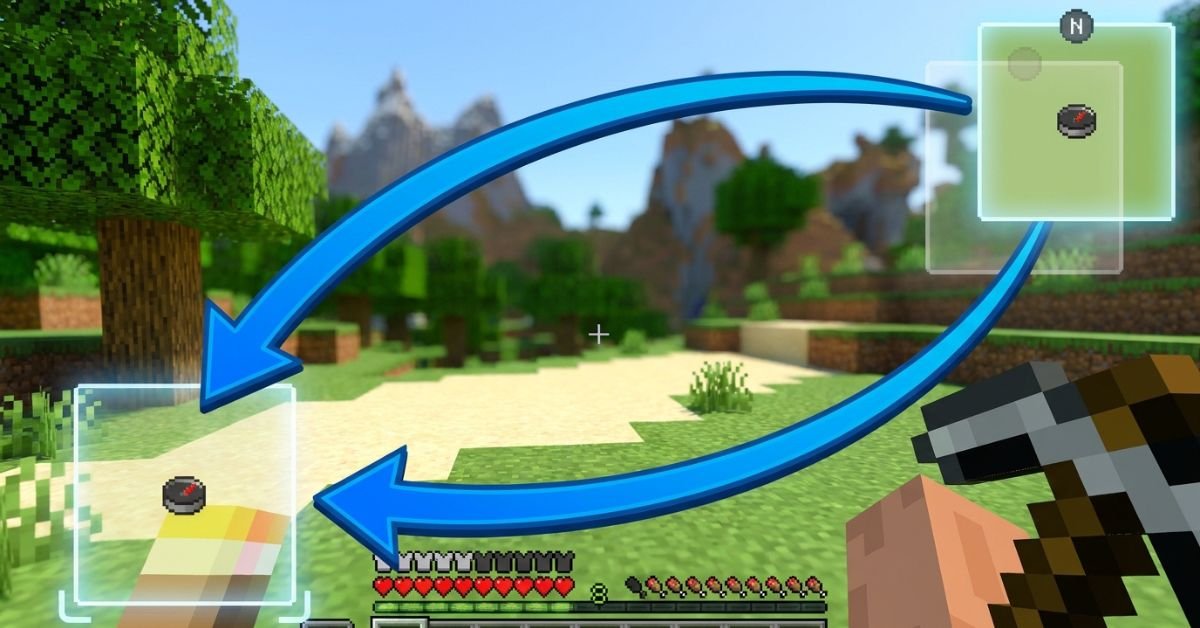
JourneyMap minimap sits stubbornly in the top right, blocking your hotbar or clashing with other HUD mods, and you just want it moved without breaking anything.
JourneyMap remains one of the most popular and powerful minimap mods for Minecraft Java Edition. It gives you a live radar-style minimap, full-screen mapping, waypoints, cave mapping, and deep customization. In 2026, with Minecraft 1.21+ and newer Fabric/Forge versions, the minimap positioning system is more flexible than ever, including true custom dragging.
Understanding JourneyMap’s Minimap System
JourneyMap displays a small, real-time map in one corner of your screen by default (usually top right). It shows terrain, mobs, players, waypoints, and info like coordinates or biome.
The mod supports two independent minimap presets. Each preset can have its own position, style (square/circular), zoom, displayed elements, and opacity. Switch between them instantly with a single keypress.
Key hotkeys you’ll use often:
- J Open full-screen map (and access settings from there)
- Ctrl + J Toggle minimap visibility
- ** (backslash) Switch between minimap presets
- = / – Zoom minimap in/out
- [ Cycle map types (terrain, cave, etc.)
Position options include: Top Right, Bottom Right, Bottom Left, Top Left, Top Center, Center, and Custom.
Step-by-Step: How to Change Minimap Position
Method 1: Quick Preset Changes (Easiest for Most Players)
- Press J to open the full-screen map.
- Click the Settings icon (gear) at the bottom, or press O.
- Navigate to Minimap (or Minimap Preset 1 / Preset 2).
- Find the Position dropdown.
- Choose from Top Right, Bottom Right, Bottom Left, Top Left, Top Center, or Center.
- Close the menu changes apply immediately.
You can configure Preset 1 and Preset 2 differently, then switch live with the ** key. This lets you have one clean minimap for exploration and another packed with info for building or PvP.
Method 2: True Custom Position (Drag Anywhere)
- Open full-screen map with J → Settings.
- Set Position to Custom.
- Return to the game world.
- Hold the configured move key (or use arrow keys) to drag the minimap freely.
- Fine-tune with the Minimap Key Move Pixel Offset setting (default 0.001) for precise pixel-level control.
Custom mode gives you pixel-perfect placement anywhere on screen perfect when other mods clutter the corners.
Method 3: In-Game Adjustments and Hotkeys
Some players prefer direct controls:
- Open settings via full-screen map for full access.
- Adjust related options like opacity, shape, info slots, and what displays (waypoints, players, mobs, light level, etc.).
Pro tip: After moving, test in different situations underground caves, dense forests, or with shaders active because render layers can shift slightly.
Comparison: Position Options in JourneyMap (2026)
| Position Option | Best For | Flexibility | Easy to Switch? | Notes |
|---|---|---|---|---|
| Top Right (Default) | Standard clean HUD | Low | Yes | Classic placement, rarely overlaps hotbar |
| Bottom Right | When top is crowded | Low | Yes | Good with action bars on left |
| Bottom Left | Players who read left-to-right | Low | Yes | Common with inventory-focused mods |
| Top Left | Minimal interference | Low | Yes | Avoid if you have chat or notifications |
| Top Center / Center | Dramatic or centered builds | Medium | Yes | Can feel intrusive during combat |
| Custom | Perfect personal HUD | Highest | Moderate | Drag freely + pixel offset tuning |
Custom wins for most experienced players once you spend five minutes setting it up.
Myth vs Fact
Myth: You can only put the minimap in the four corners. Fact: JourneyMap supports Top Center, Center, and full Custom drag mode for anywhere on screen.
Myth: Changing position requires editing config files manually. Fact: Everything is done in-game through the settings menu or hotkeys no file editing needed in recent versions.
Myth: The minimap resets position every time you restart Minecraft. Fact: Settings save per world/profile as long as you close the game properly.
Myth: Custom position only works with certain Minecraft versions. Fact: As of 2026 versions (1.21+), Custom drag and presets work reliably on Fabric, Forge, and NeoForge.
Real-World Insights From Years of Modded Play
After running JourneyMap in hundreds of modpacks across different Minecraft versions from 1.16 through 1.21+, the biggest mistake I see is players fighting the default top-right position instead of using the two presets properly. One preset for a minimal radar during exploration, another fully loaded for base building or resource hunting switching with feels like night and day.
Another common issue: conflicts with shader packs or other HUD mods (like AppleSkin or inventory tweaks). Setting Position to Custom and nudging it a few pixels usually solves overlap instantly. In 2025–2026 testing, the in-game settings menu has become even more responsive, with changes applying without needing a relog.
FAQs
How do I move the JourneyMap minimap to a different corner?
Press J to open the full map, click Settings (or press O), go to Minimap settings, and change the Position dropdown to Bottom Right, Top Left, or any preset option. Changes apply live.
Can I drag the JourneyMap minimap anywhere on screen?
Yes. Set Position to Custom in the settings menu, then use arrow keys or the move control to drag it freely. Adjust the pixel offset for finer control.
How do I switch between two different minimap presets?
The default key is ** (backslash). Configure Preset 1 and Preset 2 separately with different positions, sizes, or displayed info, then switch on the fly.
Why can’t I move my JourneyMap minimap?
Make sure you’re not in a conflicting mod setup (like certain VR mods). Try setting Position to Custom, or check that the minimap isn’t disabled. Restarting the game or updating JourneyMap often fixes stubborn cases.
Does changing minimap position affect performance?
Position changes are purely visual and have zero impact on FPS. Adjust opacity or disable heavy features (like high-quality cave mapping) if you need performance gains instead.
Is there a way to completely hide or disable the minimap?
Yes use Ctrl + J to toggle it off quickly, or turn off “Show Minimap” in the settings for a permanent change.
Conclusion
Changing the minimap position in JourneyMap comes down to understanding presets, the Position dropdown, and Custom drag mode. The core entities minimap presets, position options (corners + custom), hotkeys like J and , and in-game settings menu give you full control over how the mod fits your playstyle.
-

 ENTERTAINMENT11 months ago
Tesla Trip Planner: Your Ultimate Route and Charging Guide
-

 TECHNOLOGY11 months ago
FaceTime Alternatives: How to Video Chat on Android
-

 BLOG11 months ago
Camel Toe Explained: Fashion Faux Pas or Body Positivity?
-

 BUSNIESS11 months ago
Careers with Impact: Jobs at the Australian Services Union
-

 BLOG11 months ago
Jalalabad India: A Hidden Gem of Punjab’s Heartland
-

 FASHION11 months ago
Wrist Wonders: Handcrafted Bracelet Boutique
-

 BUSNIESS10 months ago
Chief Experience Officer: Powerful Driver of Success
-

 ENTERTAINMENT11 months ago
Centennial Park Taylor Swift: Where Lyrics and Nashville Dreams Meet